

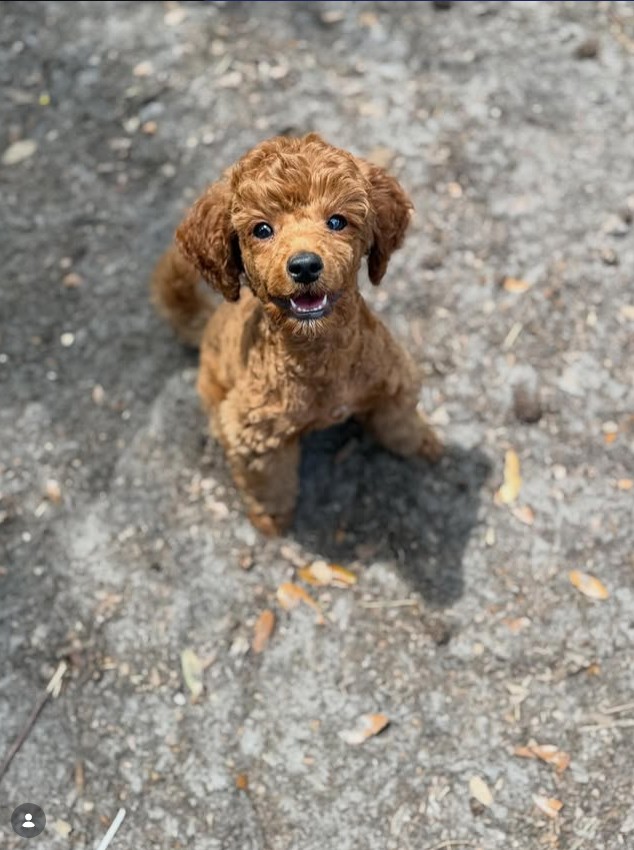
Bringing a new puppy into your home is an exciting, joyful experience, but those first 30 days are critical for shaping behavior that will last a lifetime. At K9aholics we are professional dog trainers serving Virginia Beach, Norfolk and the surrounding areas. Our experienced, certified team has worked with countless puppies and their families to lay the foundation for well‑behaved, happy dogs. This article shares our perspective on why the initial month matters so much, what to focus on, and how our team can support you.
Why the First Month Is Critical
A puppy’s brain is like a sponge during its first few weeks at home. These formative days are when habits—good and bad—start to take root. Waiting too long to address undesirable behaviors such as nipping, jumping or chewing makes them harder to correct later. Our professional team believes that proactive training pays dividends; it ensures your pup develops confidence, trust and respect and helps avoid more serious behavioral challenges down the road. We know from experience that a structured plan and consistent follow‑through create a stronger bond and a more enjoyable life for you and your dog.
The first month sets your puppy’s expectations. If your pup learns that chewing on the couch is acceptable or that they only have to sit when you have a treat, that pattern can become ingrained. Conversely, introducing clear boundaries and rewarding correct behaviors early helps them become second nature. Investing time and patience now will make future training easier—whether you tackle it yourself or enroll in our programs.
Establish a Routine
Puppies thrive on routine. Regular schedules help them understand what’s expected and reduce anxiety. Try to create predictable times for feeding, bathroom breaks, play and training sessions. At K9aholics we start our puppies on a structured routine during our 12‑day Puppy Training Program, and we encourage owners to continue a similar schedule at home to reinforce the training. Here’s how you can build one:
- Set consistent meal times: Feed your puppy at the same times every day to regulate digestion and make potty training easier.
- Designate potty breaks: Take your puppy outside first thing in the morning, after naps, after meals and before bed. Our training includes teaching pups to excrete properly and avoid accidents in the house.
- Plan short training sessions: Young puppies have short attention spans. Incorporate several five‑to‑ten‑minute sessions throughout the day rather than a single long one.
- Schedule play and rest: Puppies need plenty of sleep. Provide opportunities for play and socialization, but allow quiet time for naps to prevent overstimulation.
Socialization and Positive Experiences
Exposure to new sights, sounds and experiences in the first month helps puppies become confident adult dogs. Socialization should be gradual and controlled to prevent fear. We encourage owners to introduce their pups to different people, environments and other vaccinated dogs. In our programs, we integrate socialization during training sessions so pups learn to focus even in the presence of distractions.
- Invite friends and family: Encourage gentle interactions with people of different ages and appearances. Positive associations at a young age reduce the risk of fear‑based aggression later.
- Introduce safe dogs: Arrange playdates with friendly, vaccinated dogs. Our experienced trainers can help you choose appropriate companions and ensure the play stays positive.
- Explore varied environments: Take short trips to pet‑friendly stores or parks. We gradually build distractions in our training programs—from low‑distraction indoor environments to high‑distraction outdoor settings—and you can follow a similar approach at home.
- Reward calm behavior: When your puppy responds calmly to new experiences, mark it with praise or a treat. This reinforces confidence and teaches them how to behave in unfamiliar situations.
Focus on Core Obedience Commands
Basic obedience lays the groundwork for a lifetime of good manners. Teaching a few essential commands early helps you communicate with your pup and can keep them safe. At K9aholics we teach commands such as sit, down, stay, place and loose leash walking.
Here’s why each command is important and how to introduce it:
- Sit: A foundational behavior that encourages self‑control. Hold a treat near your puppy’s nose and lift it slowly; when they sit, reward them. Repeat during calm moments so “sit” becomes their default when they want something.
- Down: This position teaches relaxation. Have your pup sit, then lower the treat toward the ground; when they lie down, reward them. Use it before giving toys or meals to encourage patience.
- Stay: Start with short durations. Ask your pup to “stay,” take a step back, then return and reward. Gradually increase the distance and time. In our board and train program, we introduce extended duration commands for off‑leash reliability.
- Place: Teach your pup to go to a designated spot (mat or bed). This gives them a safe space and helps manage hyperactivity. Encourage them onto the mat, reward them, and gradually increase the time spent there.
- Loose Leash Walking: Puppies naturally want to pull; our trainers work on cultivating patience during walks. Hold the leash at a comfortable length. When your pup walks beside you without pulling, reward them. If they pull ahead, stop and wait for them to return to your side.
Address Common Puppy Issues
During the first 30 days, you’ll likely encounter typical puppy behaviors that require guidance. Our puppy training program covers several common issues, and you can work on them at home too:
- Biting/Nipping: Puppies explore the world with their mouths. We teach biting and nipping control. Redirect your pup to appropriate chew toys and stop play if they bite skin, teaching them that gentle mouths get attention.
- Jumping on People: A happy puppy often jumps to greet you. This can become excessive and make walks difficult. Our behavioral analysts correct this behavior. Encourage all four paws on the floor by turning away when they jump and rewarding calm greetings.
- Housebreaking: Accidents are inevitable initially. We provide potty training to teach puppies to eliminate outdoors. Take your puppy outside frequently, praise them for going in the right place and supervise indoors. If you catch them in the act, calmly interrupt and lead them outside.
- Chewing and Destruction: Puppies may chew furniture or possessions. Our training helps curb this aggressive behavior. Provide safe chew toys and rotate them to keep your pup engaged. Use deterrent sprays on off‑limit items and supervise to prevent chewing issues from becoming habits.
- Pulling on the Leash: Many pups pull excitedly toward the park. We cultivate patience to avoid leash pulling. Stop walking when the leash becomes taut; resume only when the leash is slack. Reward your pup for walking at your side.
- Crate Training: Teaching your pup to stay in a designated area creates a safe, comfortable environment and makes traveling easier. We offer crate training to condition your pup to stay in their crate. Make the crate inviting with blankets and toys and gradually increase the time they spend inside while you’re nearby.
Use Positive Reinforcement
At K9aholics, we use proven methods centered on positive reinforcement. Rewarding desirable behaviors and ignoring or redirecting undesirable ones teaches puppies what we expect. This approach builds trust and encourages your pup to enjoy learning.
To implement positive reinforcement at home:
- Mark good behavior: Use a marker word (“Yes!” or “Good!”) or a clicker followed by a treat to let your puppy know they did the right thing.
- Reward quickly: Deliver the reward within a second or two of the behavior so your pup associates the reward with the action.
- Keep treats small: Use tiny, soft treats so you can reward repeatedly without overfeeding.
- Fade treats gradually: Once your puppy consistently responds, start rewarding intermittently while still offering verbal praise. This helps the behavior become reliable without a constant food reward.
Seek Professional Support
Training a puppy is rewarding but can be overwhelming, especially if you’re new to dog ownership or juggling a busy schedule. Our team at K9aholics offers several programs designed to support you and your pup:
- Puppy Training Program: Your puppy stays with us for 12 days. We address issues like biting, jumping, housebreaking and leash pulling and teach core commands. We provide updates and return your puppy to you better behaved, with the tools to continue training.
- Board & Train Program: Dogs receive intensive personalized training sessions tailored to their specific needs. Our trainers start in low‑distraction environments and gradually build to high‑distraction scenarios to ensure reliability. Programs vary in length and may include advanced off‑leash obedience.
- Day Training: This program allows your dog to attend structured sessions during the day and return home each evening. We offer four‑week and six‑week options that cover basic and advanced obedience.
- Behavior Modification: For dogs showing aggression or specific behavioral issues, our behavior modification program addresses possessive, fear, territorial and other forms of aggression. We design customized plans based on each dog’s triggers and teach owners how to continue the work at home.
Our trainers are highly qualified. Our owner, Cam, is a former Norfolk police officer who completed the Police K9 Instructor’s course and is a PSA certified decoy. Brandon, another trainer, holds a Master Obedience dog training certificate from Tarheel Canine. Our team members come from diverse backgrounds but share a passion for dogs and extensive experience working with different breeds. You can feel confident entrusting your puppy to our knowledgeable hands.
Stay Consistent After Professional Training
Professional training jump‑starts your puppy’s progress, but consistency at home is essential to reinforce what they’ve learned. Here are tips for maintaining momentum after your puppy returns:
- Follow your trainer’s instructions: We provide a detailed handover at the end of our programs, including demonstration sessions or video follow‑ups. Practice the same commands and routines to avoid confusing your puppy.
- Use clear communication: Dogs thrive on consistency. Use the same words and hand signals for commands and ensure all family members follow the same guidelines.
- Set realistic expectations: Puppies will have occasional setbacks. Stay patient and keep sessions fun. Celebrate progress and remain calm when mistakes occur.
- Keep socializing: Continue exposing your pup to new environments, people and dogs. This reinforces what they learned and prevents fear or aggression from developing.
- Stay engaged: Training is a lifelong journey. Even once your puppy masters basic commands, continue practicing and teaching new skills to keep them mentally stimulated.
The Benefits of Starting Early
The first 30 days of puppy training are your opportunity to set your dog up for a lifetime of good behavior and joy. When you invest the time early, you reduce the likelihood of serious problems such as aggression or severe separation anxiety. You also create a better bond; your puppy learns to trust you as a leader, and you learn to understand their cues and needs. Our clients often tell us that this investment is the best decision they have made for their dog’s future.
Partner with K9aholics
K9aholics serves Virginia Beach, Norfolk and the surrounding areas, and we offer free consultations to help you determine the best program for your puppy. Our team has over 100 five‑star reviews and a reputation for caring, knowledgeable service. We offer pickup and drop-off options for busy clients, and we tailor our training to each dog’s needs. Whether you need help with nipping, housebreaking, leash skills or more advanced obedience, we’re here to support you.
The first 30 days with your puppy can shape the way they learn, listen, and respond for years to come. By focusing on structure, socialization, basic obedience, crate training, leash manners, and positive reinforcement, you can build a stronger foundation for long-term success. If you are looking for puppy training in Norfolk, VA, or need help from professional dog trainers in Norfolk and Virginia Beach, our team at K9aholics is here to help. Contact us today to schedule a free consultation and learn how our dog training and dog obedience training programs can support you and your puppy.
