

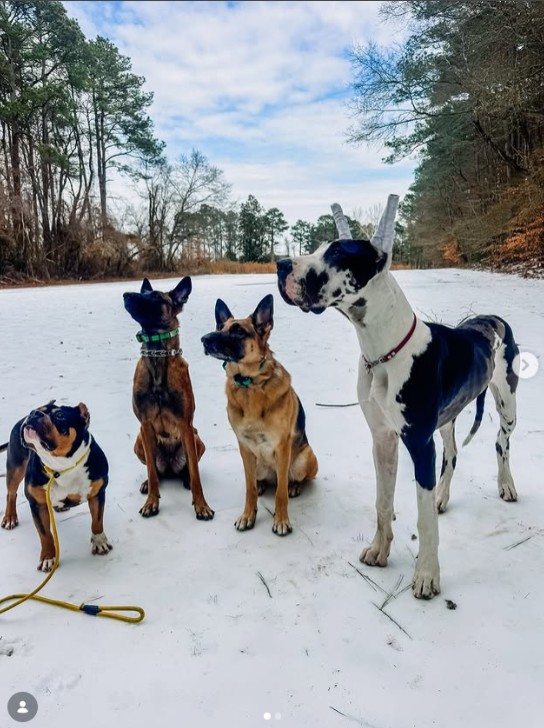
As winter loosens its hold on Norfolk, many dog owners notice their pets behaving a little differently—but why? Seasonal changes don’t just switch up the weather; they can also stir shifts in your dog’s mood, energy, and even health. From restless bursts of energy to unexpected irritability, understanding these early signs after winter helps you keep your furry friend comfortable and safe. This guide breaks down what to watch for and how timely action can make all the difference in a happy, healthy season ahead.
After winter, Norfolk dog owners should carefully watch for increased signs of aggression, such as territorial barking, possessiveness, or heightened anxiety, as seasonal changes can affect a dog’s mood and stress levels. Early recognition of these behavior flags—along with professional evaluation and intervention from trusted trainers like K9aholics Dog Training—can prevent escalation and promote a calmer, safer environment for both pets and families.
Recognizing Post-Winter Behavioral Changes
One of the most common things you’ll see is a change in your dog’s energy levels. After months of shortened walks and limited outdoor play, some dogs seem like bundles of restless energy, eager to burn off all that pent-up excitement. Others may appear unusually tired or sluggish as their bodies adjust gradually to longer days and more activity.
It’s essential to watch carefully because these shifts can signal not just seasonal mood swings but underlying issues such as joint stiffness or even anxiety triggered by the sudden increase in stimulation.
Alongside energy changes, altered eating patterns also surface once winter gives way to spring’s warmth.
Dogs often eat differently after winter—their appetites can swing either way. Some dogs instinctively ramp up food intake to match their newfound activity level or to rebuild muscle lost during less active months. Conversely, others might cut back on food, especially if they no longer need the extra fat reserves that helped them stay warm during cold spells.
Paying close attention here is key since unexpected shifts in appetite can be early indicators of health concerns like dental pain or digestive trouble.
These behavioral variations are not random—they are closely tied to physiological and environmental adjustments your dog is making in response to changing seasons.
Another crucial factor that Norfolk dog owners should consider is the impact of leftover winter stress on their pets. The colder months can amplify territorial behaviors and increase protective instincts, especially if your dog has had limited social interactions or unfamiliar animals have approached your territory during walks.
This heightened vigilance may result in more frequent barking, growling, or even attempts at aggression when encountering other dogs or people after winter ends. Understanding this isn’t just “bad behavior,” but a natural response helps you approach it patiently and with targeted training strategies.
Given these complexities, recognizing these post-winter behavioral flags early on will put you ahead in keeping your dog healthy and happy throughout the year.
Observing changes such as increased irritability, unusual clinginess, or withdrawal also deserves attention. Sometimes, these signals point toward discomfort caused by lingering aches from cold weather or even seasonal allergies kicking in as flowers bloom around Norfolk’s neighborhoods.
Often overlooked, these symptoms may escalate if not managed with proper veterinary care combined with consistent behavioral training tailored for each dog’s needs.
“Noticing small changes in routine behavior saves many Norfolk dogs from developing chronic issues,” says Cam, lead trainer at K9aholics Dog Training.
This is exactly where professional support becomes invaluable. At K9aholics Dog Training, we emphasize personalized assessment because every dog reacts differently to seasonal transitions based on breed tendencies, age, and previous experiences.
Our trainers work diligently to identify subtle cues and develop customized plans—whether through behavior modification sessions or enriching day training—to help dogs adjust smoothly and prevent minor concerns from becoming major challenges.
Understanding these post-winter behavioral shifts provides critical insight that helps safeguard your pet against health complications while fostering a peaceful home life as the seasons shift again.
Health Concerns Linked to Cold Weather
Cold weather doesn’t just make us reach for our coats; it has significant effects on our dogs as well. When temperatures plummet, your dog’s body endures more strain than you might realize. For instance, the drop in temperature can worsen existing joint issues or even trigger new discomfort in muscles and ligaments. This is particularly true for older dogs or breeds prone to arthritis. A stiff gait or hesitation to climb stairs might not be just stubbornness but a clear cry for help from achy joints stiffened by the cold.
Alongside joint problems, the chill often affects a dog’s skin and fur in surprising ways. Winter air tends to be dry, robbing moisture from your dog’s coat and skin. What starts as simple dryness can spiral into brittle fur, which dulls their usually shiny coat, or causes itchy, flaky skin. The resulting scratching isn’t harmless—it may open wounds or exacerbate allergies, leading to infections, discomfort, and changes in mood or behavior. Dogs feeling itchy or sore might become snappier or withdrawn simply because they’re distracted by the irritation.
Beyond these direct physical effects, we should also consider how cold weather impacts your dog’s energy levels and immune system.
Cold temperatures often cause dogs to reduce their activity, not only because of stiffness but also due to a natural physiological response that conserves energy and warmth. This lower activity can lead to weight gain or muscle loss if unchecked. Additionally, colder months bring seasonal risk factors like increased susceptibility to colds or respiratory infections. Such illnesses might subtly alter your dog’s usual behavior—reduced appetite, lethargy, or reluctance to socialize—and can easily go unnoticed if you’re not paying close attention.
To keep your furry friend safe and comfortable through these seasonal shifts, regular health checks become essential. Monitoring for signs like persistent limping, excessive scratching, unusual fatigue, or changes in eating habits gives you early warning before minor discomfort escalates into serious conditions.
– Encourage gentle exercise despite cold weather to maintain mobility. – Use moisturizing pet shampoos and brushes designed to improve coat condition. – Keep indoor humidity moderate to prevent further skin drying. – Consult your vet if pain symptoms persist or worsen during colder months. – Offer warm bedding and minimize outdoor exposure during extreme cold.
These steps not only ease physical stress but can also prevent behavioral problems tied to discomfort and illness from cold weather. The more you support your dog’s health during winter months’ aftermath, the better chance you have at maintaining a happy, balanced companion all year round.
Recognizing changes linked to health is vital, as it sets the stage for identifying emotional challenges your dog might face next. This understanding will help you tune into deeper signals that reflect anxiety and aggressive behaviors evolving after the winter months.
Signs of Anxiety and Aggression
Many dogs handle seasonal changes without much fuss, but for some, the end of winter can trigger underlying stress that manifests in anxiety or aggression. Anxiety in dogs often appears as increased vocalizations—whining or barking more than usual—which can be a clear signal that your furry friend is feeling uneasy. Alongside this, destructive chewing becomes common, as restless energy seeks an outlet when dogs don’t have enough activity or comfort. You might notice your pet excessively licking their fur or paws, a behavior that goes beyond simple grooming and points to heightened stress. Pacing around the house or appearing unable to settle down are also classic signs that anxiety is taking hold.
This buildup of anxiety doesn’t just affect calmness; it can morph quickly into aggressive behaviors that demand your close attention.
Watch carefully for increases in protectiveness or territorial displays—especially after months indoors over winter. Dogs may growl at visitors, snap during play, or stand rigid with their tails raised high—a classic “on alert” posture. These behaviors arise from a heightened state of vigilance and discomfort. Early recognition is vital because unchecked aggression risks escalating into serious confrontations or injuries—not only for other animals but also for family members. By spotting these behaviors early, you position yourself to seek effective solutions before problems spiral out of control.
Practical Insights for Early Intervention
It helps to keep a log of any behavioral changes you observe after winter ends—a diary recording when your dog whines more, chews furniture, or shows tension around people and other pets. Documenting patterns provides valuable information if you consult a professional trainer or behaviorist at K9aholics Dog Training in Norfolk. Their expert team has extensive experience addressing aggression and anxiety with personalized plans that focus on positive reinforcement rather than punishment.
Simple steps at home include increasing daily exercise to burn off excess nervous energy and creating quiet refuge spaces where your dog feels secure. Maintaining consistent routines can ground anxious pets by providing predictability amid change. Use calming aids like interactive toys or treat-dispensing puzzles to engage their minds productively. Remember, your patience and observant care are among the best tools in helping your dog weather this transition calmly.
Tackling anxiety early often prevents the downward spiral into serious aggression, but if issues persist, professional guidance becomes essential.
Behavior modification programs tailored to your dog’s unique needs—like those offered by K9aholics Dog Training—address various types of aggression, including possessive, fear-based, territorial, and frustration-elicited aggression. Professionals first identify root causes and then craft step-by-step training plans using respectful methods that build trust and lasting obedience. They emphasize ongoing owner involvement so improvements extend well beyond the training period. In many cases, early intervention following post-winter anxiety signs transforms potentially hazardous behavioral patterns into calm cooperation.
As spring arrives, bringing warmth and increased activity outdoors, being proactive about these behavioral flags will preserve your dog’s health and maintain harmony at home—all while strengthening the lifelong bond between you and your best companion.
The next challenge lies in supporting your dog through this seasonal shift effectively—implementing strategies that ease their adjustment and promote ongoing well-being.
Supporting Your Dog’s Transition
When winter fades and spring rolls in, your dog’s body and mind need time to adjust. Jumping straight back into intense play or lengthy walks after months of reduced activity can lead to muscle soreness or joint stiffness, especially in older dogs or those with prior health concerns.
It’s essential to gradually increase their physical activity rather than expecting them to instantly bounce back to full energy levels. This means starting with shorter walks at a slower pace, then building up distance and intensity as your dog shows readiness. This measured approach helps prevent injuries that could otherwise cause discomfort, irritability, or anxiety—a common trigger for unwanted behaviors you want to avoid.
Alongside this gradual ramp-up, maintaining a comforting and stable environment strongly supports your dog’s emotional health during seasonal shifts. Dogs are creatures of habit; sudden changes in routine often unsettle them.
Keeping feeding times consistent provides a sense of security and predictability. Similarly, sticking to regular walking schedules reassures your dog that their daily world remains reliable even as the weather warms.
When cool snaps sneak back into spring, providing cozy bedding is a simple yet effective way to keep joints supported and warmth preserved—preventing restlessness caused by discomfort.
These combined efforts create a nurturing framework that reduces stress and promotes positive behavior patterns. In fact, mindful transitions like these at K9aholics Dog Training have proven vital in calming dogs who display frustration or anxiety when overwhelmed by abrupt changes.
A steady routine paired with thoughtful conditioning can sustain improvements gained from professional training courses, such as behavior modification or day training.
Dogs thrive when they feel safe and cared for—not only physically but also emotionally—and this balance brings out their best selves.
So as you watch the calendar turn toward warmer days, remember the power of patience with your dog’s adjustment process. This gentle guidance preserves their health and fosters trust between you both—a foundation that ultimately supports better behavior and greater happiness for everyone involved.
If persistent anxiety or aggression arises despite these efforts, don’t hesitate to reach out to trained professionals who can tailor solutions specific to your dog’s needs within Norfolk and the surrounding areas.
Understanding these signals sets the stage for identifying which behaviors fall within normal adjustment periods versus those requiring closer observation. This perspective helps maintain your dog’s well-being during seasonal transitions while preparing you to respond effectively if challenges emerge.
Monitoring Normal Adjustment Indicators
When the chill of winter fades and spring ushers in longer days and warmer temperatures, your dog’s body and mind begin to respond to these environmental shifts. One of the clearest signs that your dog is transitioning well is a return to regular eating habits. Eating with appetite signals comfort and well-being, reflecting balanced stress levels and physical health. Similarly, observing your dog’s energy level can provide invaluable clues. Healthy dogs tend to regain their playful spark as the weather improves, engaging enthusiastically with familiar toys or enjoying walks with renewed vigor.
It’s important to track these milestones with some patience. Dogs coming out of the slower winter months may not bounce back instantly; their routines might gradually normalize over days or even weeks. For instance, a dog accustomed to brief outdoor stints in winter might initially hesitate as they readjust to longer times outside, yet persistent interest in play reflects positive engagement.
Additionally, social interactions offer key insights. A dog that begins seeking attention or initiating friendly contact with family members or other pets demonstrates healthy emotional resilience. Conversely, withdrawal or avoidance could suggest lingering effects from seasonal stressors and may warrant additional attention.
However, tracking positive trends does not mean ignoring subtle shifts that could signal setbacks.
Minor setbacks are a natural part of most dogs’ adjustment processes. Perhaps your normally calm canine shows a flicker of anxiety when hearing heavy rain after a dry spell or appears slightly more lethargic on cooler days than expected. These fluctuations often resolve when supported by consistent daily routines and reassurance from pet parents who understand them.
What makes this monitoring effective is consistency: maintaining steady feeding times, exercise regimes, and quiet moments for relaxation helps anchor your dog emotionally and physically. If you notice small deviations—like reduced interest in favorite activities lasting beyond a day or two—it’s wise to observe further without rushing to conclusions. Sometimes these are simple blips; other times they might be early hints of underlying issues that need professional guidance.
Seeking veterinary advice early can prevent minor anxieties or lethargies from escalating into chronic problems. Equally vital is communication: sharing observations with professional trainers at K9aholics Dog Training in Norfolk ensures behavioral concerns are addressed holistically. Their expertise tailors support based on breed tendencies, personality traits, and local environmental factors unique to Virginia Beach and the surrounding areas.
By carefully watching for both progress and subtle warning signs in your dog’s behavior through seasonal changes, you build the foundation for ongoing well-being. This awareness naturally leads into practical approaches that dog owners can apply daily to maintain a happy and healthy companion.
Practical Tips for Dog Owners
One of the smartest moves a dog owner in Norfolk can make is to schedule a thorough veterinary check-up right after winter. Even if your dog seems perfectly fine on the surface, many health issues tend to simmer quietly during colder months—joint stiffness, respiratory troubles, or subtle infections. A vet can spot these early and help you avoid bigger challenges later. This proactive healthcare ensures your pup stays robust and ready to enjoy warmer days ahead.
Nutrition plays a pivotal role here. Just like humans, dogs need an energy boost as they shake off winter lethargy. Keeping their diet balanced with high-quality proteins, essential fats, and vitamins supports not only energy but also coat health and immune resilience. Freshwater access is critical, too. As temperatures climb, dehydration can sneak up fast on an active dog—so diligence in topping up their water bowl throughout the day helps maintain vitality.
Next, keep your dog’s mind and body engaged through interactive toys and games. Puzzle feeders are fantastic tools that turn mealtime into problem-solving fun, encouraging mental sharpness while rewarding effort with treats. Simple activities like fetch or hide-and-seek stimulate movement and reinforce bonding between you and your pet. These engaging outlets help temper pent-up energy that might otherwise manifest as frustration or unwanted behaviors.
- Schedule yearly or seasonal veterinary exams focused on post-winter health
- Transition diet thoughtfully to maintain optimal nutrition with rising activity levels
- Ensure constant hydration, refreshing water multiple times daily
- Introduce brain-stimulating toys that challenge and entertain
- Increase playtime sessions gradually to match renewed physical vigor
Each of these practical measures dovetails seamlessly with behavioral observation—equipping you to notice when something truly feels off versus normal adjustment—and empowers you to respond confidently with the right care or professional help when needed.
If your dog is showing signs of anxiety, aggression, or obedience regression after winter, it may be time for professional dog behavior training in Norfolk, Virginia. At K9aholics Dog Training, our experienced team provides customized dog obedience training, puppy training, and advanced k9 training programs designed to restore balance and build lasting confidence. Whether you need help with basic manners or more complex behavioral challenges, we’re here to guide you every step of the way. Contact Norfolk’s trusted dog trainers today to schedule your behavior evaluation and give your dog the structure, clarity, and leadership they deserve.
