Understanding Dog Body Language for Better Training in Norfolk

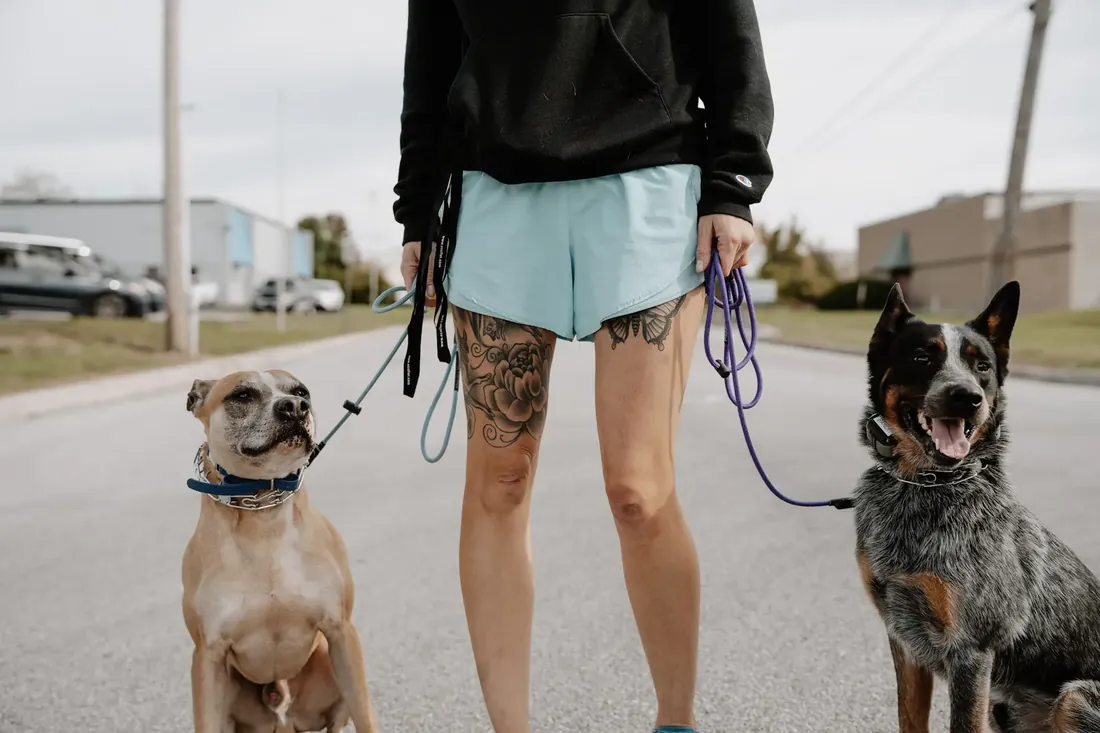
Trainer demonstrating dog body language Norfolk, showing calm posture and soft cues to explain effective training and obedience techniques.

At K9aholics Dog Training in Norfolk, VA, we help pet parents turn daily interactions into teachable moments by learning to read what dogs communicate without words. Socialization plays a crucial role as we guide you in interpreting canine expressions during Norfolk routines—doorway greetings, stroller passes, and evening walks—making them calmer and more predictable. Our trainers show you how to respond to subtle signals and gestures so you can act early, keep your dog under threshold, and make training more effective. This approach requires patience, empathy, and an understanding of your dog’s breed and natural instincts, making training cues more intuitive and reliable.

Why Body Language Matters in Training

We view obedience and behavior modification as communication, not just compliance. By noticing small shifts in a dog’s eyes, ears, posture, or tail, you can respond to stress or curiosity before it turns into barking, lunging, or freezing. Reading these early signals builds trust and sets the stage for long-term success. Consistency in your response strengthens the bond and creates a dependable relationship between you and your dog.

Context Shapes Meaning

A single gesture rarely tells the full story. A lip lick may signal treat anticipation in the kitchen, but in a crowded park, it can indicate tension. We teach owners to pair signals with context: what just happened, how close the trigger is, and how aroused the dog already feels. This perspective turns misbehavior into useful information that guides your next step and helps refine instinctive responses to the environment.

Reading Signals from Head to Tail

Dogs communicate with their entire bodies. Soft, blinking eyes usually signal comfort, while hard stares or a “whale eye” suggest unease. Forward, pricked ears show focus, while pinned ears reflect uncertainty. Loose lips and rhythmic panting mean relaxation, while a tight mouth after being loose is often the first sign of stress.

Tail movement is one of the most misunderstood cues. A low, loose wag may show caution, while a high, tight, buzzing wag can signal agitation. Posture matters too: a forward weight shift often means intent to move toward something, while rocking back indicates avoidance. Raised hackles do not always mean aggression—they signal arousal and must be read in context.

Calming and Displacement Signals

Dogs often try to reduce tension before conflict arises. Yawning, lip-licking, or looking away can signal discomfort. Sniffing the ground or shaking off after a tense moment helps them reset. Recognizing and respecting these signals allows training to continue smoothly and safely.

The Stress Ladder

Stress escalates in stages. Early signs include a closed mouth or slow head turns. Mid-level signals are scanning, weight shifting forward, or faster breathing. Late signs include growling, snapping, or biting. Acting early—by creating distance or lowering expectations—keeps your dog in a safe learning zone and prevents escalation.

Common Misreads in Norfolk Homes

One common misconception is the “happy wag myth.” A wag by itself doesn’t always mean joy—speed, height, and body tension all matter. Another misread is overfriendly versus conflicted greetings. A wiggly, sideways approach with soft eyes signals friendliness, while a stiff, fast approach suggests uncertainty. We also see issues in doorways and on leashes, where limited movement amplifies stress and sparks reactivity.

Training Cues Explained Through Body Language

We build reliable cues by linking them to calm emotional states. Sit, Down, and Place are more than positions—they are signals for relaxation and focus. When paired with soft eyes, a neutral stance, and clear reinforcement, these cues predict calm instead of enforcing stillness.

Leash communication plays a major role in this process. Well-timed pressure-and-release teaches clarity, especially around distractions like scooters or joggers. Over time, the leash becomes a tool of guidance rather than conflict.

Words, Emotions, and Timing

Pairing words with emotions makes cues more dependable. A crisp marker such as “Yes!” separates the behavior from the reward, while precise timing reinforces both the action and the relaxed body language that goes with it. Consistency helps your dog pair cues with calm and makes training outcomes more reliable.

A Framework for Observation

We teach a simple three-step process: Observe, Interpret, Act. For example, if your dog’s arousal rises near a gate, arc away, cue “Look,” and reward soft attention. Keeping short notes after walks—such as “closed mouth at 30 ft, relaxed at 45 ft”—helps track progress and measure improvement over time.

Daily Drills for Fluency

Small, consistent exercises strengthen communication. Pattern games, decompression walks, and consent-based handling cues like “chin rest” or “check harness” turn grooming and vet visits into cooperative experiences. Pausing if your dog moves away transforms training into a partnership and builds trust.

When to Seek Professional Support

Some behaviors require structured guidance. Growling around resources, a history of biting, or reactivity that worsens despite distance all warrant professional intervention. At K9aholics, our certified trainers provide day training and behavior modification programs tailored to Norfolk households. We rehearse skills in controlled settings and then transfer them into real-world environments so you and your dog feel confident together.

Lasting Results

When body language guides training, progress comes faster. Walks become calmer, communication becomes clearer, and your relationship deepens. The more you show your dog that you notice and respond to their signals, the more they trust you—and the more reliable their obedience becomes.

Conclusion

Look for stacked signals such as a stiff body, closed mouth, or scanning eyes—signs that stress is rising. Giving your dog space before escalation keeps training on track and prevents setbacks. If you’re ready to make training smoother and more rewarding, let’s create a plan that fits your Norfolk lifestyle and your dog’s needs. Start today by reaching out through our contact page.

K9Aholics Dog Training

Need Professional Dog Training? Contact Us Below.