

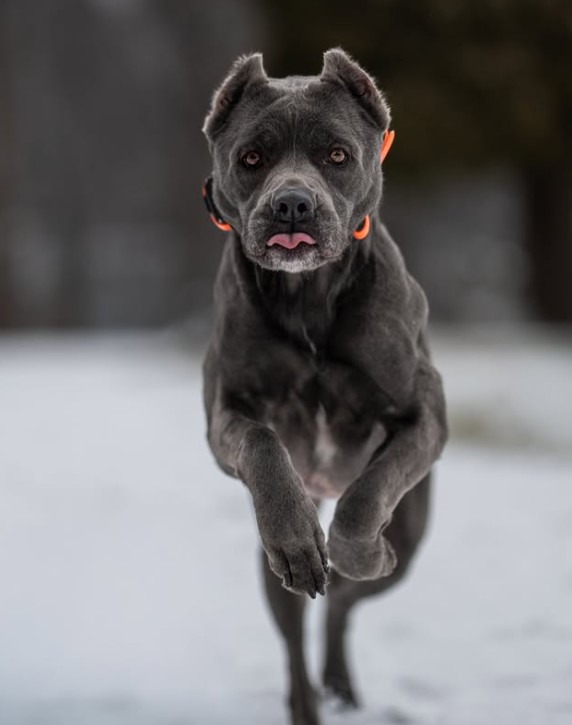
Dogs are wonderful companions, but sometimes their behavior can be confusing or even a little scary, especially when they show signs of aggression. Understanding why dogs act aggressively is the first step to helping them feel safer and more relaxed. Before you see any growling or biting, there are usually signals your dog gives that something’s wrong. In this article, we’ll break down common triggers for aggression in dogs and share simple training tips to help keep everyone calm and happy.
Common aggression triggers in dogs include territorial threats, fear, possessiveness over resources, protective instincts, and social dominance challenges. Addressing these behaviors involves accurately identifying the underlying cause, employing positive reinforcement training tailored to the specific type of aggression, and working with professional trainers at K9Aholics Dog Training to develop a customized behavior modification program that ensures safety and long-term success.
Identifying Canine Aggression
When you think about aggression in dogs, it’s tempting to only picture the dramatic moment of a bite. However, aggression often starts much more subtly, long before any actual physical contact occurs. Dogs communicate with body language and vocalizations that act as early warning signs if you know what to look for.
According to the ASPCA, nearly 60% of aggressive incidents are preceded by visible signals such as growling, showing teeth, or lunging. Yet, these are just the obvious red flags. More nuanced behaviors like raised hackles (the hair along the dog’s back standing up), a stiffened body, or an unwavering, intense stare indicate discomfort or agitation that often precedes aggression.
Understanding these early signs can be the difference between preventing an incident and reacting to one after it has already escalated. Dogs typically follow a progression in aggression, starting with stillness, a tense pause during which the dog is mentally preparing or assessing a threat.
This then often leads to a warning growl, which serves as an audible “stay away.” If this is ignored, the dog may lunge forward as a stronger signal of defense or displeasure. Following lunging, snapping, and quick mouth movements without contact acts as a clear message not to come closer. Biting is usually the last point in this sequence and represents a failure of all previous warnings to deter the perceived threat.
Observing this progression helps owners and trainers intervene early before behavior spirals out of control. For example, if your dog freezes and stares with hackles raised during a walk when another dog approaches, you have a critical window to redirect attention or remove your dog from the situation before growling or lunging happens.
Recognizing subtle cues also builds empathy. For many dogs, aggression stems from fear or anxiety rather than malice.
Most bites aren’t impulsive; they come after a buildup of signals that go unnoticed.
- Raised hackles mean heightened arousal or stress.
- Stiff posture signals tension and readiness.
- Intense staring conveys focused attention on a potential threat.
- Growling functions as an acoustic boundary.
- Lunging tests limits physically.
- Snapping warns without intentional harm.
- Biting is a defensive escalation.
Once we become adept at spotting these signs and understanding their order, we gain valuable clues about what triggers the behavior, such as territorial defense, fear responses, or resource guarding, which in turn informs effective training interventions.
Common Aggression Triggers
Aggression in dogs often stems from specific triggers deeply tied to their instincts and environment. Among these, fear or anxiety ranks as the leading cause, accounting for about 40% of aggression cases, according to veterinary research. When a dog feels cornered or overwhelmed by loud noises, unfamiliar people, or sudden movements, its natural response may be defensive or fear-based aggression. This kind requires sensitive handling because these dogs are reacting to a perceived threat rather than an actual desire to dominate or attack.
Continuing from fear-based reactions, territorial behavior plays a significant role too; about 25% of aggressive incidents fall under this category. Dogs naturally defend what they consider their home turf, and this territorial aggression typically arises during the critical period between one and three years of age. Both males and females exhibit this trait, and it can become particularly intense if strangers step into what the dog perceives as its domain.
For families living with such dogs, management hinges on establishing clear boundaries without intensifying the dog’s anxiety.
Other common triggers include:
- Possessiveness over resources: Food, toys, and beds, these possessions often spark possessive aggression in dogs of all ages. Such guarding behaviors can escalate quickly if not addressed with training aimed at building trust and teaching sharing.
- Protective aggression: Driven by loyalty toward family members, this type surfaces when a dog senses a threat against those it loves. It’s especially common around life changes like new babies or visitors.
- Pain or illness: Surprisingly common yet often overlooked, about 10% of aggressive acts are linked to discomfort or health issues that cause irritability.
- Redirected aggression: Rare but alarming, this happens when a dog attacks a third party after being provoked elsewhere.
Understanding these distinctions matters because not all aggression looks or behaves the same way, and neither should the approach to managing it.
| Aggression Type | Common Triggers | Key Training Focus |
| Fear Aggression | Loud noises, unfamiliar people | Build confidence, reduce anxiety |
| Territorial | Presence of strangers | Boundary control, desensitization |
| Possessive | Food, toys | Resource sharing, impulse control |
| Protective | Perceived threats to the family | Controlled exposure, positive association |
| Pain-induced | Injury or illness | Veterinary treatment plus behavior support |
The key takeaway is that aggression is not a one-size-fits-all problem. Each trigger demands a specific mindset shift, both from the trainer and the pet owner, to effectively reshape behavior. For example, working with a fearful dog involves patient confidence-building exercises to create safety associations, while tackling possessive aggression might include carefully structured “give and take” games that teach relinquishing is safe and rewarding.
Beyond identifying triggers, context provides crucial insight: who is targeted? What events led up to the aggressive display? How does the dog behave afterward? These questions uncover motivation, the force driving the reaction, which then informs customized training plans.
Addressing aggression without professional guidance increases the risk of worsening behaviors or unintentional reinforcement of undesirable responses. That’s why expert trainers at K9Aholics Dog Training specialize in behavior modification using positive reinforcement methods, focusing on understanding individual triggers deeply before shaping interventions.
Grasping these foundational elements primes you for effective strategies that help transform troublesome tendencies into manageable behaviors. Next, we explore practical approaches designed to reduce aggression and rebuild trust between dogs and their families.
Training Tips to Reduce Aggression
At the heart of reducing aggression in dogs lies positive reinforcement, a powerful method that rewards the behaviors you want to see rather than punishes the ones you don’t. This approach shifts the dynamic from one of fear or dominance into cooperation and trust.
When a dog remains calm during a situation that would once have sparked aggression, offering them a tasty treat or warm verbal praise reinforces that calmness as something valuable. It’s not about bribing but about helping your dog understand that good things come from peaceful choices.
Positive reinforcement works best when it’s timely, rewarding the moment the desired behavior happens. Dogs live very much in the present, so immediate feedback ensures they connect their action with the reward.
For instance, if your dog doesn’t lunge at a visitor but instead sits quietly, praising them within seconds makes all the difference. Conversely, ignoring minor aggressive gestures like growling (but intervening safely if things escalate) prevents unintentionally encouraging these behaviors by giving them attention.
Consistency plays a critical role here: training isn’t a one-time fix but an ongoing dialogue between you and your dog.
If you respond differently every time, sometimes rewarding calmness, other times scolding frustration, you sow confusion and undermine progress. Patience also fits into this equation because changing ingrained reactions takes time and steady effort. True behavioral change usually requires repeated exposures to triggering situations paired with positive outcomes until the dog’s instinctive responses soften.
Now that training basics are covered, it’s important to also create a safe environment that supports learning and reduces stress for your dog.
Dogs are highly sensitive to their surroundings, and stress often fuels aggression. Minimizing distractions initially by choosing quiet spaces helps your dog focus on training without extra pressure.
You can gradually increase complexity as they build confidence in handling triggers calmly. Using familiar, high-value rewards tailored to your dog’s preferences, like a favorite chewy toy or special treat, also encourages engagement.
Beyond controlled settings, maintaining consistent daily routines is another pillar of reducing aggressive tendencies. Regular feeding times, exercise, potty breaks, and training sessions form a structured environment where your dog feels secure.
When dogs know what to expect from their day, anxiety decreases, a frequent catalyst for aggressive outbursts. In this way, structure is not about rigid control but about providing dependable rhythms dogs thrive on.
Another key tip is reading your dog’s subtle body language signals early on, cues like yawning, lip licking, pinned ears, or tail tucking often warn of rising stress levels before aggression erupts.
By stepping in gently at these moments, redirecting attention or removing your dog from the uncomfortable stimulus, you prevent escalation while respecting what your dog’s communicating without words.
Finally, adopting leadership based on trust rather than outdated dominance models fosters cooperation. Your dog follows not out of fear but because they feel safe and motivated to please you naturally. This mindset shift changes training from coercion into a shared partnership with lasting benefits for behavior and your relationship.
Applying these strategies creates a foundation where your dog can learn without fear or confusion, preparing both of you for further steps in ensuring safety and harmony at home.
Creating a Safer Environment
The right environment reduces stress and prevents triggers of aggression by crafting a sense of security for your dog. Dogs, like people, respond best when they know what to expect and have a sanctuary to retreat to.
Inside your home, it’s essential to provide a quiet, low-traffic space where your dog can relax away from noise and commotion. This spot should be inviting and unmistakably theirs, a cozy bed or crate tucked away in a calm corner often works well.
By offering such refuge consistently, you reduce anxiety that might otherwise edge your dog toward defensive behaviors.
Another critical piece is managing access to prized possessions. Toys, chew bones, or food dishes left scattered across living areas can ignite possessive aggression, especially in dogs predisposed to guarding.
Proactively keeping these items in designated spots or only offering them during supervised times minimizes conflict opportunities.
It also helps teach your dog boundaries around their belongings, which supports overall behavioral balance.
While the indoor environment matters greatly, outdoor settings often present their own challenges for mitigating aggression.
Adequate control outdoors is key. A securely fenced yard gives your dog freedom to explore without unexpected encounters that could trigger fear or territorial responses.
When venturing beyond that safe haven, say, into parks or sidewalks, using a leash is non-negotiable. Leashes provide immediate control over interactions with unfamiliar dogs and people, significantly reducing risks of escalation.
Beyond safety, these controlled encounters become training moments themselves, reinforcing calm behavior through steady guidance.
Specifically, opt for leashes that are durable yet flexible enough to allow your dog some movement without compromising control.
Combine this with protective gear, such as a harness designed to minimize pulling and discomfort, making walks more manageable for both you and your pet.
As canine behaviorist Adem Fehmi highlights,
“Gradual and steady habit changes in the environment coupled with consistent routines reduce anxiety-driven aggression.”
These steady environmental adjustments help foster trust and resilience in dogs facing triggers.
Despite your best efforts to shape these environments, some situations may go beyond typical management.
Persistent or severe aggressive tendencies often require professional input. Trainers specialized in behavior modification can assess nuanced triggers within both home and public spaces and develop tailored intervention plans.
Collaborating with a professional ensures that safety remains paramount while supporting your dog’s emotional well-being.
Remember: creating a safer environment isn’t just about preventing negative incidents; it’s about nurturing a positive atmosphere where your dog feels confident and secure every day, a foundational step toward lasting harmony in any household.
For more insights on managing dog behavior and health, contact K9Aholics Dog Training, where expert guidance meets passionate care.
Recognizing when the stakes are too high for self-managed solutions is crucial. This understanding naturally leads us to explore how and when expert intervention becomes necessary in ensuring both the owner and the pet thrive safely together.
When to Seek Professional Help
Aggression in dogs can range from mild growling and snapping to sudden, unprovoked biting that poses immediate danger. The moment biting occurs with little or no warning signs, like growling or stiffening, it’s a clear signal that professional intervention is urgently needed. Left unchecked, these behaviors not only endanger family members and others but also can escalate rapidly, making everyday life stressful and unsafe for everyone involved.
At K9Aholics Dog Training, we often see cases where well-meaning owners have tried to manage aggression on their own, only to find that the issue worsens over time. This happens because aggression is rarely straightforward; it’s rooted in complex motivations like fear, territoriality, or possessiveness, each requiring a tailored approach. Professional trainers have the expertise to diagnose these underlying causes accurately, then design training programs that target them specifically using positive reinforcement rather than punishment. This is crucial for building lasting trust and behavior change.
Whenever you observe persistent aggression, especially if there are injuries or near misses, it’s time to consult a professional sooner rather than later. Waiting can reduce the chances of successful modification; research shows early intervention within the first month of aggressive behavior dramatically improves outcomes compared to delayed treatment. Dogs that show fear-based aggression or pain-related irritability are particularly likely to benefit from expert evaluation since these require sensitive, precise techniques.
Here are specific red flags indicating you should seek expert help immediately:
- Biting incidents with minimal or no warning signals
- Aggression directed at children or vulnerable family members
- Defensive or defensive-like behavior that escalates unpredictably
- Persistent resource guarding that threatens safety
- Aggression that has recently started or is rapidly worsening despite your efforts
While socialization and training from puppyhood form the foundation for good canine behavior, aggressive tendencies sometimes develop regardless, and that’s where professionals step in expertly. Their goal is not just temporary fixes but teaching owners sustainable strategies that maintain calmness and control long-term.
Remember, addressing aggression without proper guidance risks exacerbating the problem and jeopardizing everyone’s safety. With trained professionals at K9Aholics Dog Training in Norfolk, you gain access to tailored, science-backed solutions designed to rebuild your dog’s confidence and strengthen the bond between pet and owner. Don’t hesitate to reach out for a free consultation at (757) 210-7689 before situations spiral beyond control.
Understanding when professional help is essential sets the stage for proactive measures in shaping your dog’s social skills. The next discussion brings into focus how effective socialization can prevent many behavioral issues before they start.
Socializing Your Dog Effectively
When it comes to preventing aggression, the key lies in exposure; the more varied and positive, the better. For puppies, the period between three and twenty weeks is crucial. During this window, introducing your pup to a wide range of people, environments, sounds, and other dogs helps shape their perception of the world as a safe place.
It’s not just about meeting other dogs; it’s about comfortable interactions with strangers, hearing household noises like clattering dishes or doorbells, and experiencing gentle handling from different people. These experiences build a reservoir of confidence that fights fear and anxiety, the common roots of aggressive behavior.
If you’ve missed this early critical socialization stage or have adopted an older dog with limited exposure, there’s still hope. Controlled, slow introductions can rebuild trust. Using a muzzle temporarily during initial meetings ensures safety while letting your dog explore new social situations at their own pace.
Keeping these sessions brief and calm, and rewarding positive responses with treats, reinforces good associations rather than intimidation or stress.
But socialization doesn’t stop after puppyhood; it’s an ongoing commitment.
As your dog matures, actively broadening their social horizons remains essential. Dogs are creatures of habit and routine, but they need fresh experiences to stay adaptable and confident. Regular visits to dog-friendly parks, pet-friendly cafes, or community events expose them to diverse sights and sounds while practicing polite greetings on a leash.
This variety prevents the formation of rigid fears that might otherwise manifest as aggression when confronted by new stimuli unexpectedly.
Varying walking routes adds another layer of mental enrichment and keeps your dog flexible in unfamiliar settings. Remember that adult dogs may not enjoy large groups or off-leash play if they weren’t well socialized early on; instead, one-on-one introductions on relaxed leash walks can be far less daunting and more productive for maintaining social skills without triggering anxiety.
Positive reinforcement, such as offering treats and praise for calm behaviors around new people or dogs, encourages your dog to view social encounters as rewarding rather than threatening.
Finally, recognize subtle warning signs, a stiff posture, hard stares, or attempts to pull away, indicating discomfort in your dog. Immediately pausing interaction respects their limits and prevents escalation into aggression. With consistent effort and thoughtful guidance, you provide your dog with the social toolkit needed for a balanced temperament.
For tailored strategies that suit your dog’s unique needs, professional trainers at K9Aholics Dog Training offer consultations that blend empathy with proven techniques designed to nurture positive behaviors effectively.
If your dog is showing signs of aggression, early intervention through professional dog behavior training can make a lasting difference. At K9Aholics Dog Training, we provide customized dog training and obedience programs in Norfolk, Virginia, designed to address aggression, anxiety, and behavioral challenges at the root. Whether you need puppy training, k9 training, or help from one of the best dog trainers in Norfolk, our experienced team uses proven, positive reinforcement methods to restore calm and confidence. Call (757) 210-7689 today to schedule your consultation and take the first step toward a safer, better-behaved dog.
