

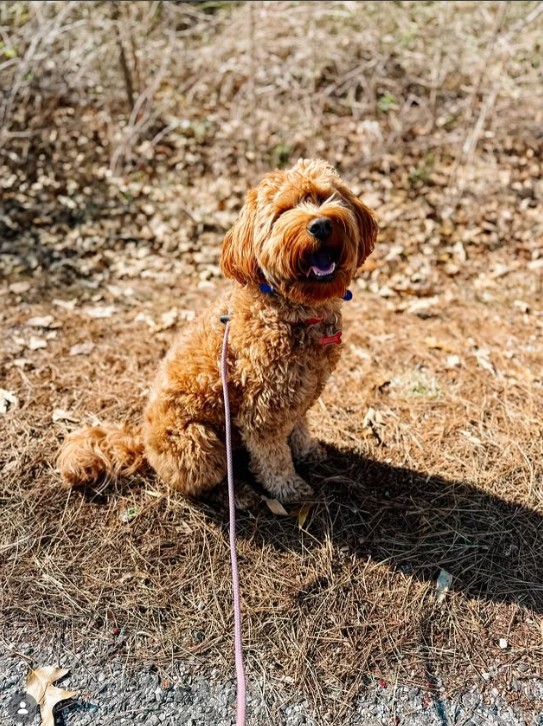
Bringing a new puppy into your Virginia Beach home is both exciting and a little overwhelming. You probably want your furry friend to fit right in, without accidents on the carpet or chewed-up shoes turning your patience into a mess. Thankfully, training your puppy indoors can set the stage for good habits that last a lifetime, all while keeping your home happy and stress-free. Let’s take a look at simple, practical tips that work well in Virginia Beach homes to help you raise a confident, well-mannered pup step by step.
Indoor puppy training in Virginia Beach homes begins with establishing a consistent routine that includes regular feeding, potty breaks, and playtime to encourage good behavior. Utilize positive reinforcement techniques such as treats and praise to teach basic commands like “sit,” “stay,” and “come,” while providing ample chew toys to redirect destructive chewing. Maintaining patience and consistency will foster a respectful and well-behaved puppy suited for your home environment.
Basic Indoor Puppy Training Tips
Puppies are creatures of habit, and establishing a clear routine right from the start helps them feel secure and understand what you expect. Regular feeding times, play sessions, and bathroom breaks create a structure that reduces anxiety and accidents inside your home. When you maintain consistency, your puppy begins to anticipate these activities, making housebreaking smoother and less frustrating for both of you.
Alongside routine, positive reinforcement plays an essential role in shaping your puppy’s behavior. When your puppy performs a desired action, like sitting calmly or going to their designated potty spot, immediately rewarding them with a tasty treat, enthusiastic praise, or gentle petting encourages them to repeat it. This method taps into their natural desire for reward and social approval without resorting to fear or punishment. It’s about building trust as much as teaching commands.
A vital part of this training puzzle is using consistent commands and gestures every time you give one. Puppies process language through associative learning, so if you say “sit” sometimes but “sit down” at other times, or use different hand signals, it confuses them and slows progress. Choosing simple, clear words paired with a distinct gesture ensures your puppy quickly associates the command with the behavior you want.
For example, many families struggle with the simple “come” command because they mix it up with calls like “here,” “let’s go,” or even their dog’s name alone. Sticking with one word consistently makes recall training far more effective and reliable during those important moments outside the home.
With these foundational habits set indoors, routine, rewards, and clear communication, you’re now ready to define specific guidelines that help establish harmony between your puppy and household members.
House Rules and Commands
Setting firm house rules might sound strict, but it’s really about creating a consistent environment where your puppy knows what to expect. Think of it as laying down the boundaries of your home so everyone, especially your new furry friend, can coexist happily and safely.
For example, deciding which rooms are off-limits prevents accidents or damage in areas you want to keep puppy-free. Baby gates or exercise pens become invaluable tools here; they don’t just block access but send a clear message: “This area is not for playtime.” Consistency is key; if one family member allows the pup on the couch and another doesn’t, your puppy becomes confused and training setbacks are almost inevitable.
It’s equally important to define how you expect your pup to behave in shared spaces like the living room or kitchen. Will they be allowed underfoot during meal prep? Or should they learn to wait quietly in a designated spot? Laying out these expectations early helps prevent frustration later on. This sense of order gives your puppy a secure framework, so instead of wandering chaotically, they understand their place in the home hierarchy.
Once house rules are defined, teaching core commands helps reinforce those boundaries while empowering you with control.
The command “sit” is usually the first because it’s straightforward and immediately establishes you as the leader who can capture your pup’s attention. It’s astonishing how often simply asking a dog to sit can defuse an overenthusiastic greeting or stop unwanted darting behavior.
Beyond “sit,” several other commands form the backbone of good canine manners:
- Stay: This teaches patience and safety, especially crucial near doorways or when guests arrive unexpectedly. Imagine the difference between a dog calmly sitting while doors open versus one bolting out into the yard or street without warning.
- Leave it: Puppies explore their world by chewing and tasting everything in sight, but some items can be dangerous, such as household cleaning products, wires, or small choking hazards. Teaching your dog to “leave it” keeps them safe and spares you from heart-stopping moments.
- Come: Perhaps the most vital command for outdoor freedom, a strong recall keeps your dog from running off after distractions like squirrels or other dogs.
These commands aren’t just random skills; it’s about building a communication system that keeps everyone safe and happy. When a pup understands “stay” or “come,” you’re translating their natural instincts into manageable behaviors that fit your household rhythm.
With house rules firmly in place and basic commands underway, preparing to shape toileting habits becomes simpler. Your puppy is already learning to respect limits and structure throughout your home.
Potty Training Strategies
Potty training is often where new puppy owners hit their first real hurdle. It requires patience, consistency, and understanding your puppy’s natural rhythms. Using a crate is one of the most effective tools you can employ. Because dogs naturally avoid soiling their sleeping area, the crate becomes a cozy, safe den that encourages them to hold it until taken outside. This method minimizes accidents indoors and teaches control early on. However, it’s crucial to choose an appropriately sized crate, one large enough for your pup to stand and turn comfortably but not so big that they feel invited to use one corner as a bathroom.
Along with crate training, taking your puppy out regularly is equally important. Puppies have small bladders and limited control over their bodily functions, typically needing bathroom breaks every two to three hours. Setting alarms or timers can be a game-changer for new pet parents, ensuring no opportunity slips by unnoticed. Not only does this prevent accidents inside, but it also helps your pup start associating specific outdoor areas as their “bathroom.” Consistent timing also aligns with their feeding schedule and nap times because puppies often need to relieve themselves soon after waking or eating.
Then comes the all-important reward system. Immediate positive reinforcement is essential, whether it’s a tasty treat, enthusiastic praise, or gentle petting, is essential to let your puppy know they did something right. Timing matters here: the reward must happen right after the act so the connection is clear. Over time, your puppy will learn that going potty outside leads to good things, reinforcing the habit naturally without fear or confusion.
Keep in mind that accidents are inevitable at first. When they happen, avoid punishment, this only creates fear and mistrust. Instead, calmly clean the area with an enzymatic cleaner designed to eliminate odors so your puppy isn’t tempted back to the same spot. Patience is key; consistent responses allow your puppy to build confidence and understand expectations without anxiety.
Finally, successful potty training opens the door for easier socialization and additional training milestones. When your puppy masters where and when to go, you remove a huge stressor from daily routines. That creates space for teaching basic commands like “sit” and “stay,” introducing new environments, and interacting positively with family members or other dogs, all vital steps toward a confident, well-adjusted companion.
With your pup gaining control over this essential behavior, attention naturally shifts toward encouraging healthy interactions within home and community environments. The next focus emphasizes fostering connections that shape your dog’s social world positively.
Socialization Activities
Socializing a puppy within the comfort of your Virginia Beach home lays the foundation for their behavior in all kinds of settings. It’s about making every new experience feel familiar and safe, not overwhelming. Start by introducing your puppy to new people right inside your living room. Invite friends or family over, but keep the visits calm and gentle rather than high-energy parties. This controlled approach helps your puppy learn how to interact politely without becoming overstimulated or scared.
As trust builds during these quiet meet-and-greets, your puppy starts associating strangers with positive experiences, a key step to preventing fear or aggression later on. Make sure visitors know to let the puppy approach at their own pace, offering treats instead of forcing interaction. This method strengthens your puppy’s confidence and teaches them good manners in social situations.
Alongside meeting people, familiarizing your pup with everyday sounds inside the house is just as important.
Sounds that seem routine to us can be startling to a little puppy still learning about their world. Think about noises like doorbells ringing, vacuum cleaners whirring, or even thunder booming from afar. Introducing these sounds gradually, perhaps by playing recordings softly through a speaker or radio, helps reduce their fear response over time. When your puppy stays relaxed during these noises, reward them with praise or treats to reinforce the calm behavior.
Through this gentle exposure, you’re tapping into a critical window in their development, when puppies are most receptive to new stimuli. Creating positive associations with common household sounds prevents anxiety triggers that could later manifest as barking, hiding, or destructive behaviors. Remember, patience here pays off hugely in building a fearless and happy companion.
To round out socialization efforts indoors, engaging your puppy’s mind is vital for long-term success.
Interactive toys such as puzzle feeders or treat-dispensing balls offer mental challenges that keep puppies focused and entertained. These toys mimic problem-solving tasks that help them adapt when faced with new situations outside the home, from navigating busy parks to encountering other dogs on leash walks. Using toys like these also channels energy into constructive activities rather than chewing furniture or incessant biting.
Mental stimulation isn’t just play; it’s an investment in your puppy’s ability to process information calmly and confidently in an ever-changing world. When indoor days limit physical exercise due to weather or timing, these games fill the gap effectively. Keep toy sessions varied and short enough to maintain interest but often enough to create a reliable routine.
By now, you’ve worked on socialization skills; the next step focuses on helping puppies maintain calmness indoors to ensure harmony within your household life.
Keeping Puppies Calm
A calm puppy is truly the foundation of effective training and a happy home environment. Without it, even the best training efforts can become frustrating or ineffective. Puppies naturally have bursts of energy, but learning how to channel that energy helps prevent overwhelm and stress, for both you and your pup.
Developing an exercise routine tailored to your indoor space is essential. For example, playing fetch down a hallway with soft toys can burn off excess energy without overexertion or injury. Even short bursts of movement repeated multiple times throughout the day work wonders. This physical activity not only eases restlessness but also primes your puppy’s mind to settle afterward.
Equally important are calming techniques that gently soothe your puppy’s nervous system. Soft background music tuned to lower frequencies has been shown to reduce anxiety in dogs. Additionally, scents like lavender or chamomile introduced through diffusers or sprays create an atmosphere adults often seek for relaxation, your puppy benefits in similar ways. Combining these sensory cues with a designated “quiet spot” gives your pet a clear signal that it’s time to unwind.
Mental engagement plays a surprisingly effective role in calming puppies as well. When puppies are busy solving puzzles, learning new commands, or exploring interactive toys, they expend cognitive energy that leaves less room for anxious or hyperactive behaviors. Training sessions spaced throughout the day serve a dual purpose: they build obedience skills and help maintain emotional balance by keeping your pup mentally fulfilled.
A focused mind is a calm mind.
To harness all these methods together, try structuring your daily interactions with your puppy around cycles of physical activity, followed by mental challenges, and finishing with calming stimuli. This rhythm lays a strong groundwork that supports focus during training, reduces unwanted behaviors, and strengthens your bond.
With a calm foundation established, attention can now shift to practical training techniques perfectly suited for homes in Virginia Beach.
Training in Virginia Beach Homes
Training your puppy indoors in a Virginia Beach home comes with its own distinct set of factors to consider, starting with the climate. The city’s warm, humid weather often pushes us inside, where air conditioning provides respite for both humans and pets. This controlled environment can be a big advantage; regulating temperature helps keep your puppy comfortable and focused during training sessions. Just remember that humidity may dry out their skin or affect their energy levels, so always have fresh water available nearby to keep them well-hydrated throughout the day. A hydrated puppy responds better, learns faster, and stays healthier overall.
Beyond weather, the physical space you live in shapes how training unfolds. Many Virginia Beach homes embrace open floor plans, which offer freedom but also present challenges when it comes to managing an excitable puppy with limited boundaries. Setting up baby gates or portable playpens is an effective way to carve out safe zones dedicated solely to training moments. These delimiters reduce distractions and create consistency by signaling to your pup when it’s time to focus on commands or manners. It’s about turning sections of your living area into purposeful classrooms that blend safety with control.
Leveraging local expertise then becomes a natural next step in this journey. K9aholics Dog Training serves as a crucial support to your indoor efforts, whether through professional puppy training classes or personalized behavior modification programs tailored specifically for families around Norfolk and Virginia Beach. The value comes not just from learning new commands but from reinforcing those behaviors consistently with positive, reward-based methods proven to build lasting trust between you and your pet. The trainers at K9aholics Dog Training emphasize compassion and patience, ensuring progress emerges naturally without stress on your pup or yourself.
Lastly, even though your primary training happens indoors, don’t underestimate the power of controlled neighborhood walks to complement those foundations. Short excursions expose puppies to new sights, sounds, and social cues beyond the comfort of your home while allowing you to supervise every interaction closely. These walks provide fresh mental stimulation and teach leash manners early on, reducing anxiety over unfamiliar environments later in life. For an indoor-trained puppy, especially, these outings are invaluable bridges connecting quiet home lessons with the outside world’s unpredictable rhythms.
Taking advantage of Virginia Beach’s climate comfort, thoughtful home adaptations, expert support from K9aholics Dog Training, and regular neighborhood explorations together creates a comprehensive framework that fosters well-rounded indoor puppy training success.
If you’re searching for professional dog training in Norfolk or Virginia Beach, K9Aholics Dog Training provides expert puppy training, dog obedience training, dog behavior training, and specialized K9 training programs designed for real-life success. Our experienced trainers help families build confident, well-mannered dogs through structured, positive methods that deliver lasting results. Ready to work with one of the best dog trainers in the Norfolk area? Contact K9Aholics Dog Training today at (757) 210-7689 to schedule your consultation and take the first step toward a better-behaved companion.
